Seed Testing Tips

Wheat seeds. Photo by David Hansen. © Regents of the University of Minnesota.

Friendly reminders to MCIA Seed Laboratory clients:

If you haven’t submitted your seed samples to the MCIA Seed Laboratory for testing, do so now!

Verifying that seed standards are met is one of the last steps in the certification process.

Germination tests take at least seven days, and HPLC for wheat and oat variety ID testing can sometimes take longer. Rush service can be requested.

Be sure the information on your Sampling Report is complete and accurate.


Seed Laboratory Reminders

Image by markusspiske from Pixabay.

As we begin a new testing season, here are some important reminders to Seed Laboratory clients:

  • Your sample must be representative of your seed lot. The test results we obtain are a direct reflection of the sample that you provide.
  • Storing your sample prior to submission: Keep samples in a closed container in a clean, dry location, away from excessive heat.
  • Shipping samples: Package your sample properly to minimize damage and to prevent spillage during transit.
  • Include a completed Sampling Report and other relevant documentation for each sample you submit. Missing information may cause delays in MCIA’s ability to perform testing and provide final certification.

If you have any questions, please contact Seed Laboratory Manager, Chase Mowry, at chase.mowry@mncia.org.

Selling Seed Out-of-State?

Are you selling your seed into another state? If so, an All State Noxious Exam is needed. You can request the All State Noxious test on the Sampling Report when you submit your sample.

If you have further questions, please contact the MCIA Seed Laboratory or your field supervisor.


Seed Lab Reminders

Photo © Minnesota Crop Improvement Association.

Friendly reminders to MCIA Seed Laboratory clients:

Be sure to include a Sampling Report with every sample submitted for testing. Whether it be for a retest or a germ update, a Sampling Report is necessary for recording date received, assigning a lab number, tests requested, as well as any other pertinent information regarding your seed lot.

New crop small grains and turf grasses may require extra germination time due to pre-chill requirements. Be sure to include the year of production on the Sampling Report.

Loose smut tests can be conducted on each barley field at the time of harvest, eliminating the need for a smut test on every lot. Loose smut results must be included on the bulk sales certificate or seed tag.


Seed Laboratory Update

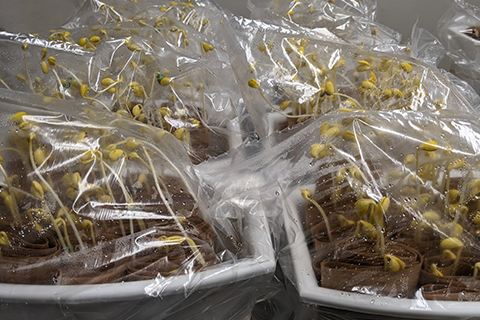
Soybean sand germination. Photo © MCIA.

Seed growers, if you haven’t submitted your seed samples for testing, do so now!

Verifying that seed standards are met is one of the last steps in the certification process.

 Germination tests take at least seven days, and HPLC for wheat and oat variety ID testing can sometimes take longer. Rush service can be requested.

Be sure the info on your sampling report is complete and accurate.

*

For additional information about MCIA’s Seed Laboratory, please visit https://www.mncia.org/services-programs/seed-laboratory.


Ready for Spring?

Photo by Hans Toom Canadian-Nature-Visions from Pixabay.

The demand for your small grain seed may be slow, but do not wait to get your seed tested. The MCIA Seed Laboratory is busy, and it will take at least 7 days to get test results before issuing final reports, bulk certificates, and tags. You do not want to be waiting for a test when it is planting time.

A few other items to keep in mind:

• Update your germination. If you have carryover seed, be sure the label has a germination test date that complies with the seed law.

• Submit a Sampling Report with all samples, complete with field numbers, lot size, number of bags or totes, and tests requested.

• Be sure you received a passed seed certification report before any tags or bulk certificates are issued.

• Always tag or issue bulk certificates for the seed you distribute.

• Resolve any issues about eligibility of seed source before planting.

• Retain your tags or bulk certificate as proof of seed source for your field inspection application.


Seed Testing Reminders

Seed germination. Photo by MCIA.

It’s a busy time of year for growers and for our Seed Laboratory. To ensure timely and efficient service, we offer the following reminders to Seed Laboratory clients.

Be sure to include a Sampling Report with every sample submitted for testing. Whether it be for a retest or a germ update, a Sampling Report is necessary for recording date of receipt, assigning a lab number, tests requested, as well as any other pertinent informa­tion regarding your seed lot.

New crop small grains and turf grasses may require extra germination time due to prechill requirements. Be sure to include the year of production on the Sampling Report.

Loose smut tests can be conducted on each barley field at the time of har­vest, eliminating the need for a smut test on every lot. Loose smut results must be included on the bulk sales certificate or seed tag.

A new fee schedule took effect July 1, 2021. To access the fee schedule, click here.


Ready for Spring?

Early spring conditions may create more demand for small grains. The seed lab is busy, so don’t delay in getting your seed tested. At best, it will take 7 days and we need test results before issuing final reports, bulk certificates, and tags. A few other items to keep in mind:

  • Update your germination. If you have carryover seed, be sure the label reflects a germination test date that is compliant with the seed law.
  • Be sure you received a passed seed certification report before any tags or bulk certificates are issued.
  • Always tag or issue bulk certificates for the seed you distribute.
  • Resolve any issues about eligibility of seed source before planting.